We’ve all done it before — swerved around a pothole before our tire sinks into it, sat through another bumper-to-bumper traffic jam or wondered why a neighborhood issue never seems to get fixed.
But for residents in Dallas’ Districts 9 and 13, those frustrations often begin with one question: “Who is responsible?”
To better understand the priorities, challenges and concerns shaping both districts, council members Paula Blackmon of District 9 and Gay Donnell Willis of District 13 answered questions about the communities they represent.
What are the biggest challenges for residents who live in your district?
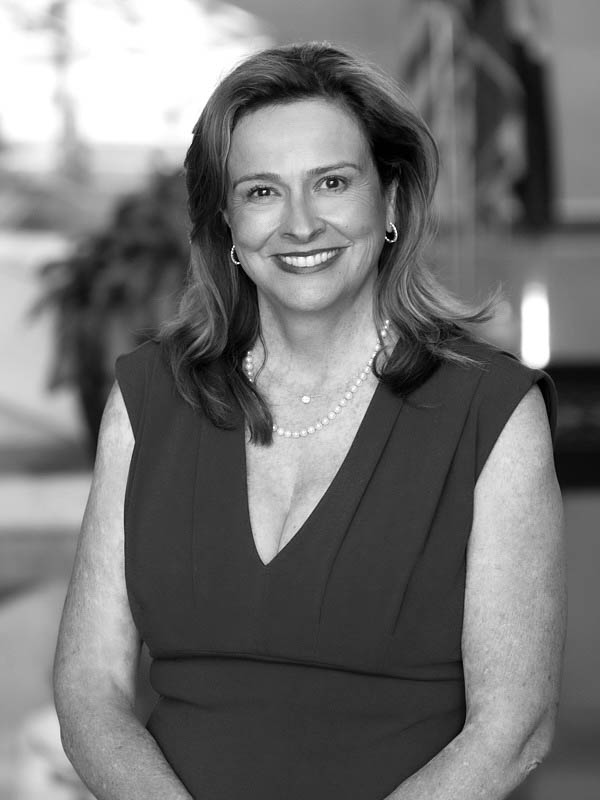
Paula Blackmon
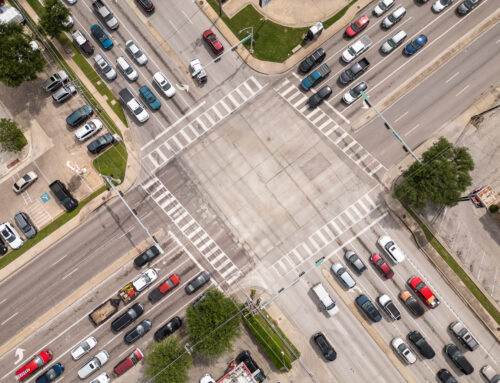
Blackmon: Residents directly north of Northwest Highway face high-speed traffic and safety risks on major corridors (Mockingbird, Buckner, Garland, Northwest Highway) that pass through residential areas. Residents also face quality-of-life concerns tied to proposed industrial zoning (e.g., asphalt batch plant) near Northwest Highway and Garland Road. Aging underground utilities, including water and wastewater infrastructure requiring repairs and replacements, also affect residents.
Willis: Most residents are concerned about street and alley repair and maintenance. District 13 has one of the highest numbers of lane miles, so there is always a need. With the general fund public works funding increasing by $31 million last year, and the bond initiatives around streets and alleys, more progress will become visible with each passing month. Drivers can already experience major repaving on Royal Lane, Midway Road, Inwood Road and Forest Lane.
What concerns are you hearing most often from your residents?
Blackmon: Frequent feedback from residents includes: traffic safety, reports of speeding, signal-running and collisions. Air and noise pollution arising from industrial activity in residential zones. Water main disruptions due to ongoing Dallas water utilities construction. And, housing affordability, as longtime residents face rising property values and limited housing stock.
Willis: Public safety is always a concern in the upper Greenville Avenue, Park Lane, Abrams Road and Walnut Hill areas. These are very high-density apartment communities, and this is the area where crime has historically occurred. The good news is that, over the past few decades, Dallas Police Department officers who remember what these areas used to be like in terms of crime have seen a vast improvement. There is still work to do, but it’s on the right trajectory.
Are there any major developments or projects underway?
Blackmon: Key projects in District 9 include White Rock Lake dredging that is funded with $20 million from the 2024 bond and $2 million from federal allocation. Additionally, water and wastewater infrastructure include new mains on Garland Road, St. Francis Street, Jupiter Road, Executive Drive, north of Northwest Highway, which are expected to be completed in spring 2026. Traffic corridor studies will be done on Jupiter Road, Garland Road will see the Next Generation Planning, there is the White Rock Lake Master Plan, and transportation safety partnerships targeting high-volume corridors under DPD and public works are happening.
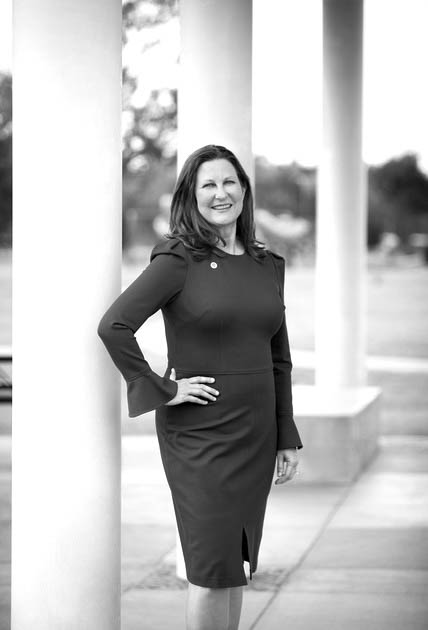
Gay Donell Willis
Willis: On the eastern side of District 13, there is a major streets project coming on Fair Oaks and Park Lane. Congresswoman Julie Johnson just secured $850,000 in funds for Hemlock Avenue improvements. The City’s 2024 bond package included a new sprayground and pavilion for Fair Oaks Park, and the Vickery Park Library is targeted to become a flagship location in the Dallas library system.
Are there housing affordability problems or housing developments in your district?
Blackmon: District 9 faces a lack of housing options for long-time residents and essential workers due to rising costs and teardowns of modest homes. The City is currently working toward the implementation of the new “Dallas Is Home” initiative. Plus, we are working on leveraging bond funding for mixed-income developments and encouraging developers to include affordable units.
Willis: The central part of the district has high-dollar homes, but on the periphery, there is more affordability in terms of homes and rentals. This past month, the City Council approved a permanent supportive housing property on Meadow Road near U.S. Highway 75. It will have supportive wraparound services for those moving from unsheltered to housed.
Are there plans to improve roads, public transit, or pedestrian safety?
Blackmon: High volume crashes on Northwest Highway and Buckner Road corridors continue among highest for serious crashes in the city. There is frequent high-speed and signal ignoring, especially during peak commuting hours. Plans in place include increased DPD enforcement on speeding and signal running. Infrastructure changes include pedestrian barriers, improved crosswalks, signal turning and curb bump-outs. There are also ongoing reviews with public works for redesigns on roadway segments. I would urge residents to slow down and encourage their neighbors to slow down as well.
Willis: Yes, the eastern part of District 13 is fortunate to have two light rail DART stations. At The Hill (Walnut Hill & U.S. Highway 75) there is a new high-rise being constructed that is considered a TOD — transit-oriented development. This gives residents closer proximity to the rail so they don’t have to rely on a car to get to work, shopping or entertainment if they don’t want to. The sidewalks along Greenville need to be improved or added in order to make it easier for people to utilize public transit. I’ll be advocating for more pavement marking funds to bring greater awareness to how drivers must share roadways with pedestrians at crosswalks.
Is there anything residents should know that isn’t getting enough attention?
Blackmon: Residents should know about the climate resiliency, creek restoration and stormwater management. Though ongoing, these infrastructural aspects require sustained attention. The environmental equity in land use ensures disadvantaged neighborhoods aren’t burdened with industrial zoning (e.g., batch plant debate). Community-led oversight encourages residents to stay engaged through ForwardDallas planning efforts, utility construction updates and infrastructure hearings. Although it’s gotten a lot of attention, a lot of residents are still unaware of the conversations surrounding the future of City Hall.
Willis: In addition to streets and public safety, residents should know that there is an ongoing effort to move the homeless people they see into shelter and housing. With tough economic times, the inflow can be tough to manage, but the City has budgeted ways to keep more people housed as they work through tough times. Those on the streets have often been traumatized in some way, so it can be harder to build trust and get them to move to shelter. I’m so appreciative of the City’s street response team as well as our contracted partners at Austin Street Shelter, The Stewpot, Family Gateway and The Bridge. As well as the work of Housing Forward in working day in and day out to humanize this issue in our community.
This interview has been edited for clarity and brevity.
District 10 Council member Kathy Stewart did not respond to the Advocate’s request for an interview by publication time.