The Dallas City Council voted to move city elections to November at a meeting Wednesday.
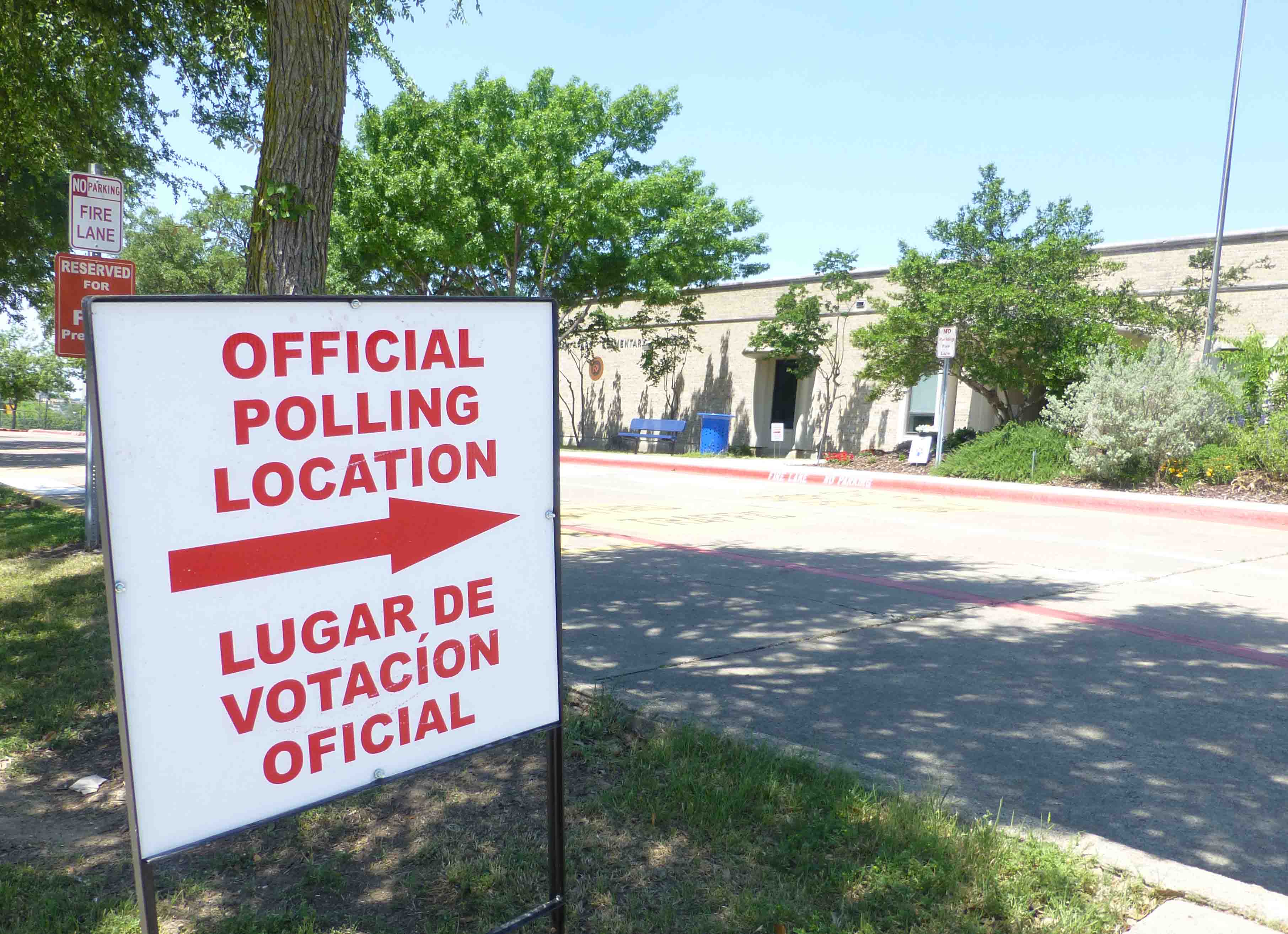
Early voting begins Oct. 21
Council members spent close to 40 minutes discussing the agenda item at a Nov. 12 meeting before voting unanimously to approve moving general elections to November of odd-numbered years as the city looks to boost sagging turnout. The move also affects mayoral races. Previously, City council races were decided at the ballot box in May alongside bond proposals from neighboring school districts like Richardson ISD.
District 10 Council member Kathy Stewart spoke in support of the measure at the meeting.
“Making this change shows a commitment to increase voter turnout, something that is important to the health of our city right now. Far too few of our residents weigh in on decisions that directly shape their neighborhoods, their quality of life and the future of the city,” Stewart said.
Turnout has historically fallen under 10 percent of registered voters in past City elections, with Dallas County Elections Department data from the May 2025 election — in which Stewart was reelected — revealing a turnout of just over 2%. The constitutional and bond election earlier in November fared slightly better, with just over 16% of registered voters casting ballots.
Voters set the process in motion last November when they approved Proposition J with 65% of the vote, clearing the way to move elections from May. The Texas State Legislature further added momentum to the initiative with the passage of SB 1494, legislation that clears the way for local elections to be moved to November.
Longtime advocate for November elections and District 1 Council member Chad West said that the measure will not only drive voter turnout, but also help avoid the voter fatigue of back-to-back elections.
“November elections provide more chances to vote with 27 additional voting hours and more vote centers available during both early voting and on Election Day,” West said at the meeting. “Moving our elections will reduce the number of May elections, helping prevent the ‘election every few months’ phenomenon that our voters currently experience.”
As a result of the vote, City Council elections will now be held on Tuesdays rather than Saturdays as was the case in many past May elections. Runoff elections, in turn, will be held on Saturdays going forward. The move is expected to cut costs for the City, as Dallas County will share more costs in joint November elections. West estimated it would save the City close to $500,000 each election cycle at the meeting.
Council members expressed confidence that other local entities, like Dallas College, will also move their elections to November to align with the shift. The City of Richardson currently holds its elections in May, so it is unclear whether or not Richardson ISD will continue to hold elections in the spring.
Concerns were raised over logistical questions facing the City as November municipal elections move closer to a reality. First, the move would give incumbent and outgoing Council members an additional five-month holdover period until November as their two-year terms expire in May of 2027. Several council members expressed concern over the fact that outgoing council members would have an oversized influence on the budgetary process, which largely concludes by late September.
District 13 Council member Cara Mendelsohn said that a May election should still be held in 2027, preventing current officials from benefiting from the holdover. She also questioned whether or not all elections will be moved to November, and pointed to the $1.25 million bond approved by less than 6% of registered voters in May of 2024 as a warning.
“What you’re going to see is that same attempt over and over again, ‘Well, when we don’t want people to show up, we’re going to make it be in May.’” Mendelsohn said. “And I hope you, as the public, will hold us accountable to make sure that doesn’t happen.”
Appointments to boards and commissions have also been questioned, as outgoing council members would have control over nominations in the early fall before a successor takes office following their election in November. However, under a city charter amendment passed last November, the majority of the council could vote to remove a commissioner or board member before their term expires.
At the meeting, Stewart said immediate logistical questions will subside in the coming years.
“They do not pose a long-term barrier,” Stewart said. “Ultimately, this is about strengthening local government. Increasing voter turnout is a good thing and a practical step towards making sure more Dallas residents are heard.”