The renaissance of Lake Highlands’ dining scene in the 2010s and 2020s likely hasn’t come as a surprise to those paying attention to what is happening in the neighborhood.
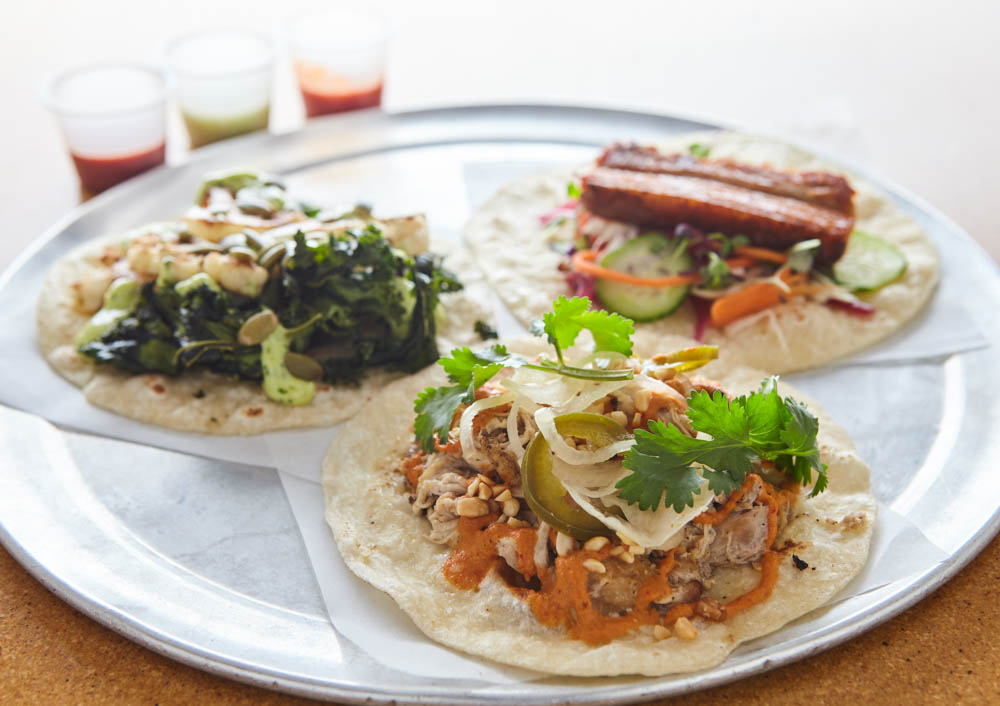
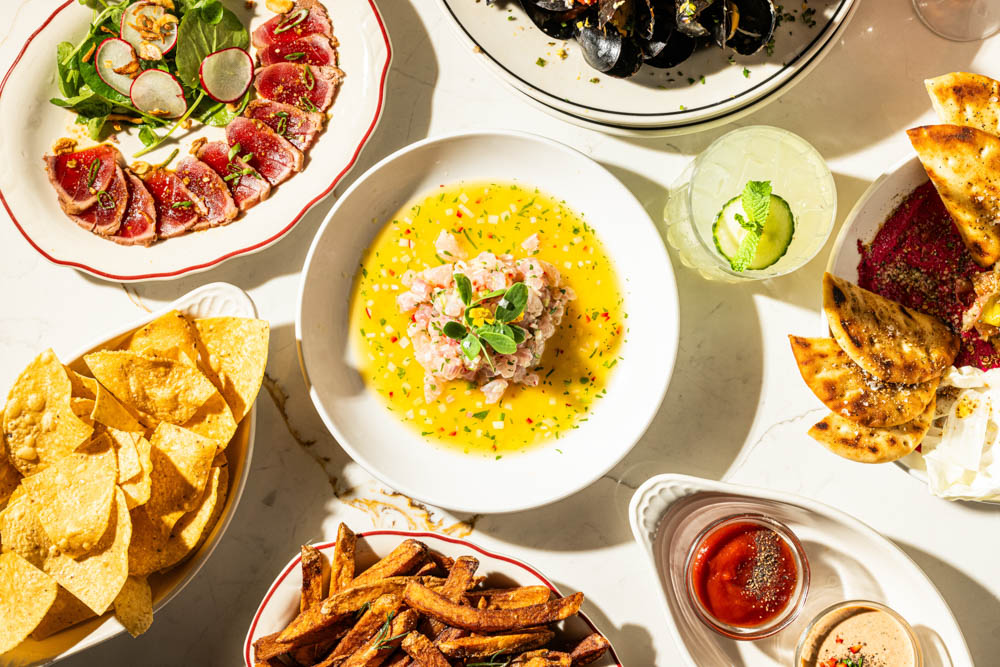
It’s easy to view the opening of restaurants like Resident Taqueria, Cedar & Vine and Goldie’s for what they were: major victories for a once-meager neighborhood dining scene where fast food chains have long dominated and options were historically limited.
But they weren’t one-offs. They were symptoms of a wider narrative.
Photography from Advocate archive
Photography by Kathleen Kennedy
Photography by Kathy Tran
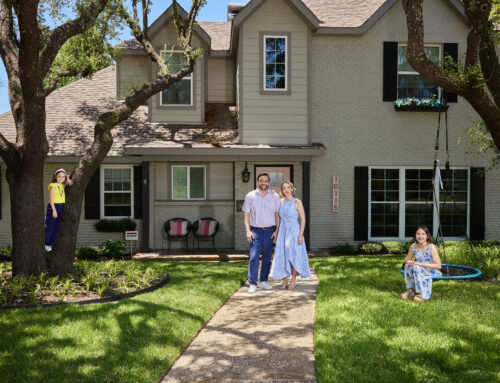
Lake Highlands is first and foremost a residential neighborhood. What passersby saw taking place from Walnut Hill, Audelia and Northwest Highway wasn’t happening in a vacuum – the rebirth was a product of the growth taking place on quiet neighborhood streets like Ferndale, Whitehurst and Church.
The secret got out as the market thawed in the mid-2010s. Lake Highlands, touting Richardson ISD schools and a small-town feel in a big city, became a target destination for young families looking for a safe yet still affordable neighborhood.
And as demand rose, so did home values. In 2010, the average home value in ZIP code 75231 was $105,976. By 2020, that sticker price more than doubled to $214,826, according to a report by the Dallas Business Journal.
“Lake Highlands was really built for families in many ways; the schools are kind of tucked into the neighborhoods, and there’s parks,” says Kathy Stewart, District 10 council member. “It’s just geared for families.”
Developers and neighborhood leaders looked to build additional housing as the decade progressed in response to the frenzy. Nearly half of Lake Highlands Plaza was transformed into a single-family development beginning in 2011. On Skillman Street, residential growth stimulated mixed-use development as the Lake Highlands Town Center finally got off the ground with the opening of the Haven and The Lookout in 2014 and 2018, respectively.
In 2017, SHOP Companies bought and began substantially renovating Lakeridge Village, which had grown more attractive with the downsizing of Lake Highlands Plaza.
“What (CPC Commissioner Tipton Housewright) did was shrink the retail on the southwest corner, which I think that’s what Bill Blaydes was going for, because then that opened up the opportunity for the southeast corner to be a bigger, more successful retail center,” Stewart says.
The pieces were in place. Residential growth had led commercial real estate to become attractive in Lake Highlands again. In newly refreshed Lake Highlands Plaza, locally-owned concepts like Resident Taqueria and Cedar & Vine, which opened amid the real estate boom, were flourishing in response to the neighborhood’s evolving demographics and taste.
Riding a wave of momentum
The 2010s showed Lake Highlands could support an independent and robust dining scene. The 2020s, so far, have shown the neighborhood is ready for more.
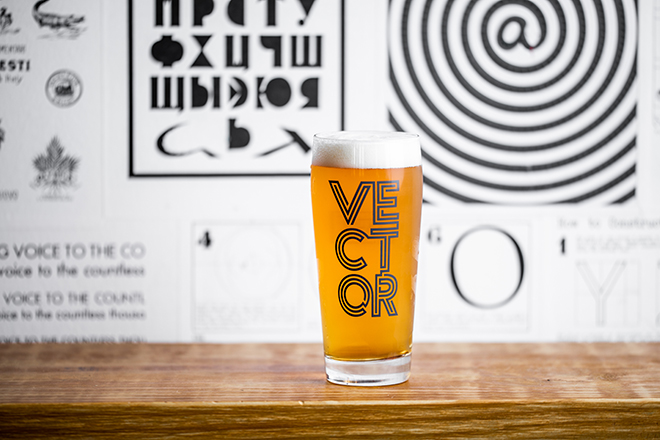
Vector Brewing owner Craig Bradley says the redevelopment of Lakeridge Village, along with the tide of change ushered in by Andrew Savoie’s opening of Resident Taqueria and the need for a neighborhood watering hole, led him to open Vector Brewing with his wife, Veronica.
He, like many Lake Highlands residents, wants to see more of the same in the coming years.
“I would love to see more of what we’re trending on. I think there needs to be a lot more locations that are focusing on quality and focusing on uniqueness, focusing on things that bring the best about the dining scene.”
For a relatively newer yet growingly robust dining scene where concepts often open within a mile or less of each other, there’s a surprising lack of competitiveness among restaurant owners in Lake Highlands. They each fill different niches. They each market themselves to different price points.
And yet, they have the same goal.
“I think a rising tide lifts all ships in Lake Highlands,” Bradley says. “(We’re) giving people options. No one has to be the one place that everyone goes. I love sending business to all of our neighbors.”
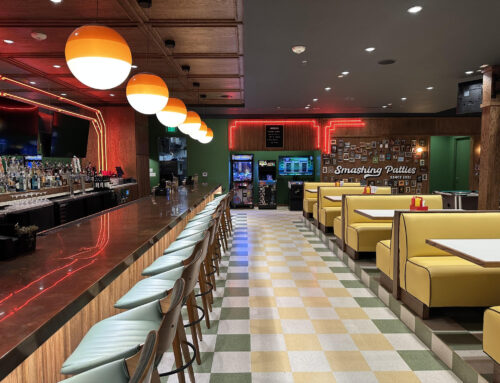
With the opening of one such neighbor, Goldie’s, in 2024, residents gained yet another spot for candlelit, sit-down dinners accompanied by imported Bordeaux — a thought that would have stretched belief barely 10 years before. That kind of polished experience has historically required Lake Highlands neighbors to drive to Lakewood or Preston Hollow.
“We don’t have to drive Downtown, we can just have a good meal right in our neighborhood,” Goldie’s GM and partner, Brittni Clayton, says.
“(I’d like) some more eclectic choices,” Executive Chef Matthew Perry says. “I’d like to see a little more contrast, selection. But I love it.”
To grow or not to grow?
The success of both Goldie’s and Cedar & Vine demonstrated a clear market for curated cocktail programs and elevated date night fare in Lake Highlands. And while some may clamor for additional higher-end or even fine dining concepts, others aren’t so sure it’s a direction Lake Highlands can sustain.
Goodwins chef-owner Jeff Bekavac has lived in Lake Highlands since 2010. For him, while the neighborhood has shown an appetite for concepts like Goldie’s, Lake Highlands is still Lake Highlands.
“People want nicer places all the time,” Bekavac says. “It’s hard if you’re running around a bunch early in the week (with kids) and you don’t have time to go sit down and do a two-hour meal. It’s hard to open those places, and it’s hard to support those places sometimes. But I think that there’s a lot of people in Lake Highlands that want more, and I think they want more of everything.”
For all the talk of growth, the fundamental blueprint of the neighborhood remains mostly unchanged from the time the L Streets were developed and Northlake Center first opened in the late ’50s and early ’60s. It’s still the same sprawling, suburban-esque area made up of a patchwork of subdivisions built around Richardson ISD schools. Lunch and grocery trips remain centered around a collection of relatively small, decidedly automobile-forward shopping centers.
It’s not Lower Greenville, it’s not Deep Ellum, it’s not Uptown — and won’t be for the foreseeable future.
That’s part of the reason why Resident Taqueria’s Andrew Savoie isn’t so sure further growth is or should be a continuing theme of the dining scene in Lake Highlands.
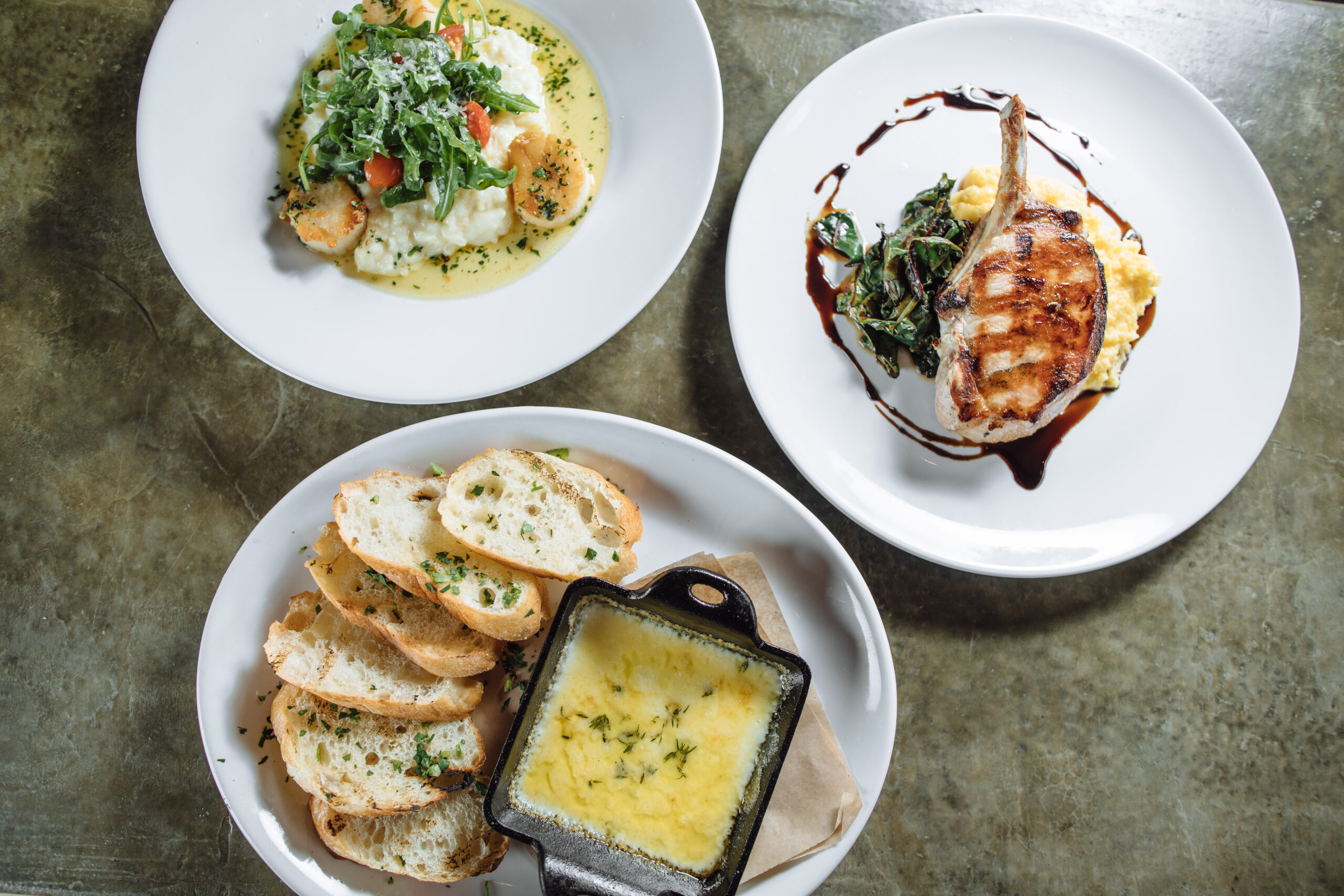
“We’re not a street where you can walk down to and shop through different stores. And we’re all driving,” he says. “The future of Lake Highlands is what we see now, I think.”
Photography by Kathy Tran
The idea that room for development in Lake Highlands, both commercial and residential, is scarce is not a new one. It’s certainly not a surprise to anyone who’s taken a look at the last few years’ Richardson ISD demographic reports, which cite a lack of room for new single or multifamily development, compounded by a decline in birthrates seen nationwide, as a leading factor fueling the district’s declining enrollment.
“We’re super limited in space,” Savoie says. “So really, it’s about supporting the businesses that are here right now. I don’t know if it’s about more. I don’t think that we need more … We don’t want to oversaturate this market, because then it doesn’t make much sense.”
Another factor which will play a large part in shaping the future of dining in Lake Highlands is an omnipresent issue throughout the city: rent prices. Proprietors’ preference for oversized floor plans, rising real estate prices, outside investment, and competition from financially well-backed restaurant groups have driven longtime concepts from many corners of the city.
In May, Midway Hollow institution Fernando’s Mexican Cuisine closed after being unable to reach a rent agreement. Suze, also in the same shopping center as Fernando’s, threw in the towel in June after 24 years as chef-owner Gilbert Garza told The Dallas Morning News he was “handing over the keys to one of Dallas’s most talked about and exciting groups.”
“I definitely don’t want to see more chains coming in,” Bradley says. “Nothing will kill this scene more than having rent going up, and then no one can afford rent other than large chains.”
Future
What will the future look like for Lake Highlands’ dining scene? Over 70 years after the development of the first subdivisions in the neighborhood, fast food chains maintain an oversized presence in Lake Highlands, and despite all the progress over the past two decades, the area still lags behind neighboring districts in its independent dining offering.
However, neighbors have clearly demonstrated an appetite and appreciation for varied, chef-driven independent concepts. Chefs, so far, have also shown less apprehension toward taking risks in what is still widely viewed on the outside as a sleepier suburban neighborhood.
In the end, a large part of the answer has and always will lie within what’s happening in our residential neighborhoods and their relationship to development in Lake Highlands.
Much like going out to eat in the area, residential real estate has gotten decently expensive in most of Lake Highlands and now caters to a different type of customer. From 2017 to 2024, Zillow analytics found the average home value in ZIP code 75238 rose from close to $370,000 to nearly $600,000 as million-dollar valuations became more and more common in neighborhoods like the L Streets and White Rock Valley.
How long can Lake Highlands remain an attractive option for young families with average home values beginning to stretch well past the half-million dollar mark? How much housing can developers build to alleviate demand? Does mixed-use development have a large part to play? Will the neighborhood retain its “small town feel in a big city” as the area begins to ascend in a direction decidedly upper-class?
Similar questions face the neighborhood’s dining scene. Can too much growth oversaturate the area and lead to a spree of shutterings? Where will new restaurants go? Can new arrivals and longtimers truly support more concepts? Will deep-pocketed hospitality groups rear their head anytime soon and skyrocket rent for homegrown concepts?
Solutions for both, it seems, may lie in finding creative uses for real estate on the northern side of the neighborhood. A decent amount of subdivisions bounding Royal Lane still boast single-family properties for relatively affordable prices. And who’s to say renovations or redevelopment near important Royal intersections at Skillman Street and Abrams Road couldn’t attract locally-owned concepts as the SHOP renovation of Lakeridge Center did in the 2010s?
Much like its past, the future of Lake Highlands’ dining scene is likely tied as much, if not more, to home values and inventive mixed-use development as it is to inspired chefs and gourmand neighbors.
This is the final installment of a three-part series exploring the evolution of dining in the neighborhood.
Editor’s note 11/7: This version of the article contains minor edits to GSP. The name for Lakeridge Village was corrected from Lakeridge Center. In addition, we have also added attribution for home valuations and first names with titles for the Goldie’s leadership team. Otherwise, the text remains unchanged from the original copy printed in our November issue.