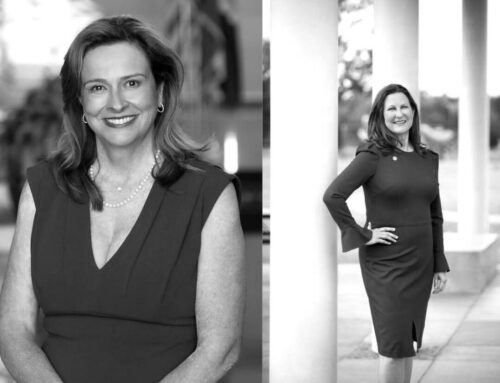
Veterinarian Molly Deason may work with small animals, but her favorite part of the job enters her practice on two legs, not four.
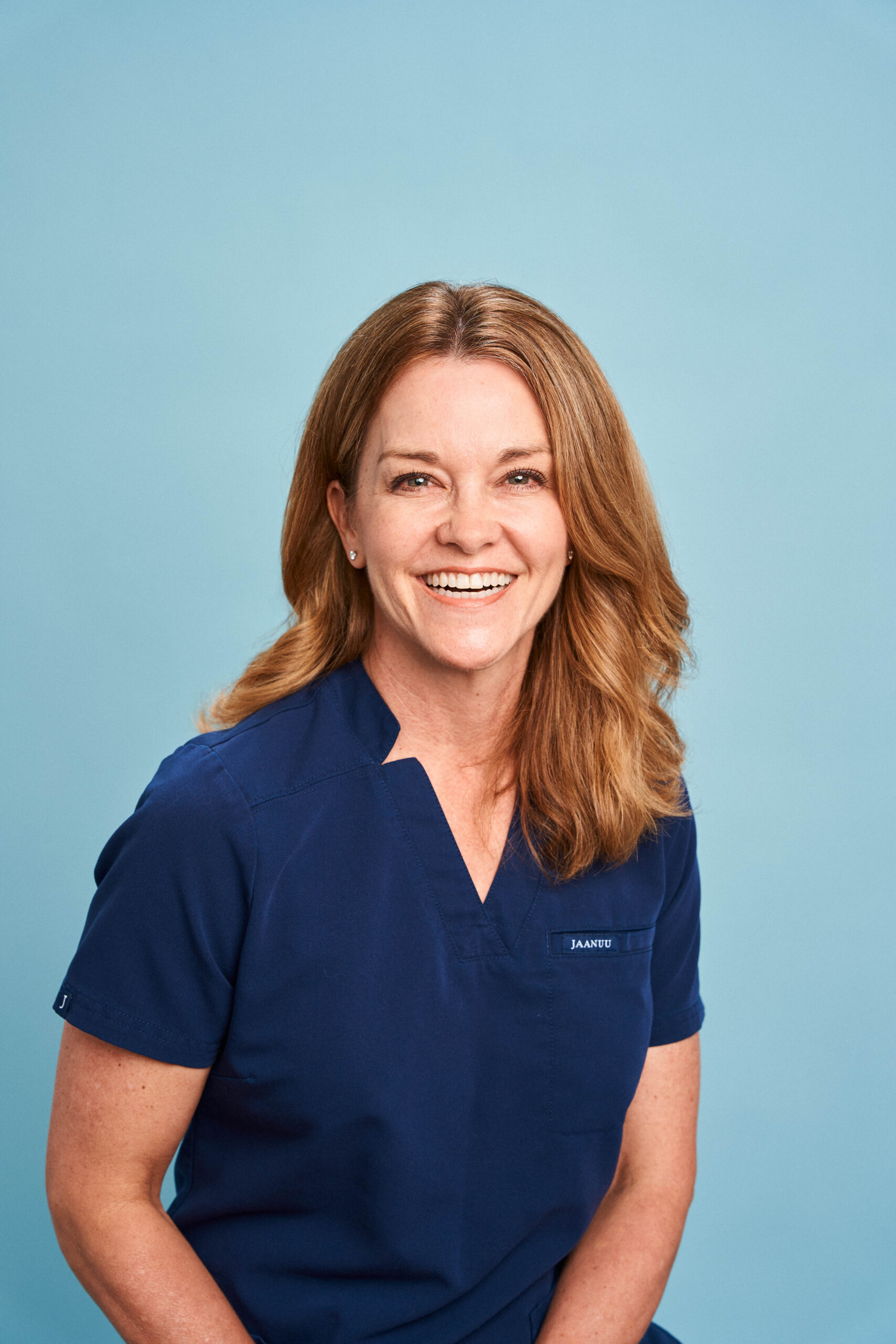
Photography by Ethan Good
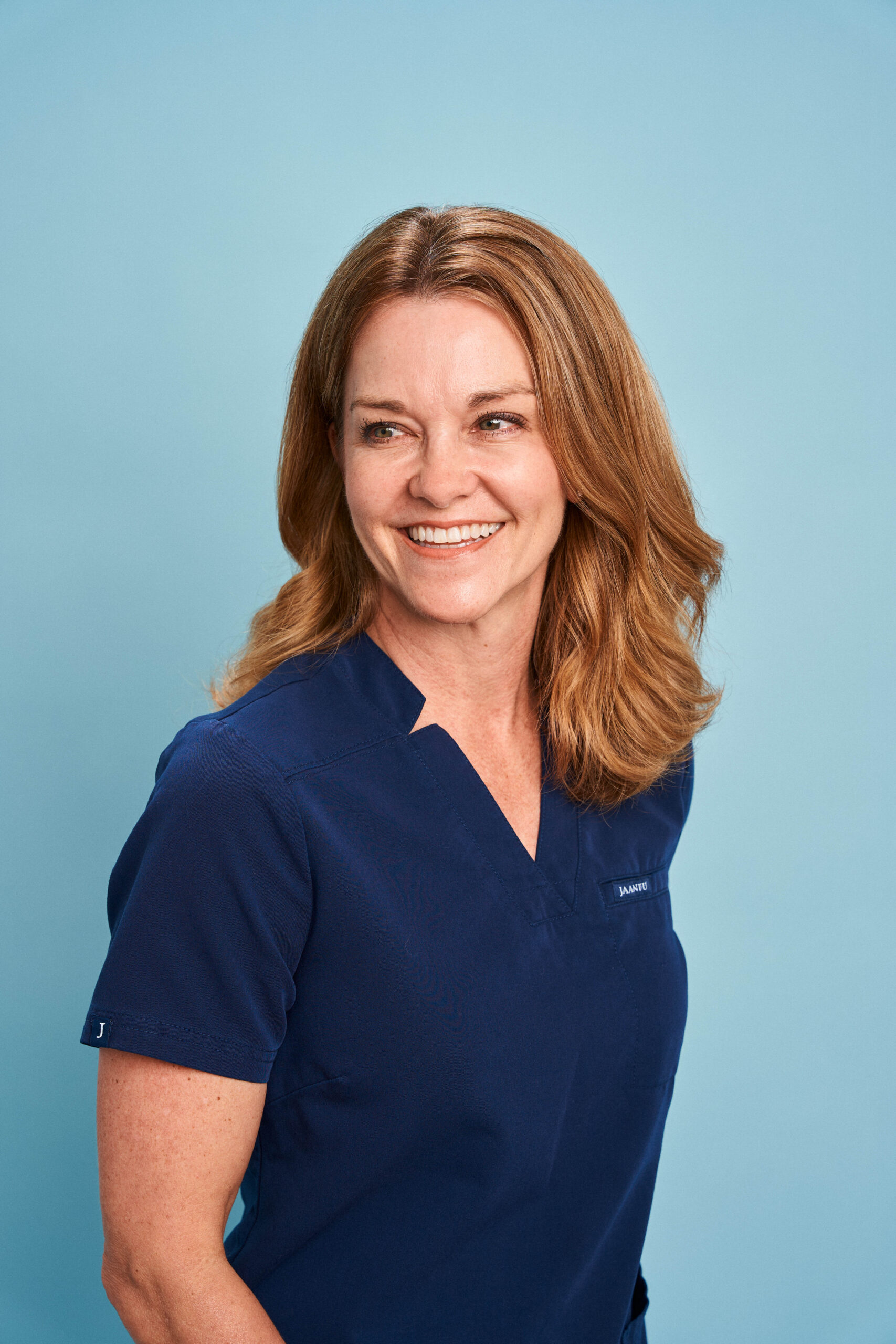
As one of two veterinarians at the nonprofit CHEW Animal Clinic, she provides low and no-cost medical services for pets of lower-income clients. Deason has practiced for 27 years, but only recently joined the clinic in 2021, a few months after its launch.
CHEW is a full-service animal clinic, providing surgeries, orthopedic wellness and checkup appointments. To date, the clinic has performed more than 4,000 surgeries. The clinic utilizes private donations to help clients bridge the gap between what they can afford and the treatment their pets need.
“Being in a private practice, I didn’t see the cases that couldn’t afford to come in, if/when they call and they don’t have the money for even the exam fee, you don’t see them,” she says.
Working at the nonprofit has given her a chance to reach owners who would otherwise have limited options for care.
“There’s some people that say, ‘Owning an animal is a privilege, not a right.’ That’s hard for me to swallow, because I see clients, elderly clients, ex-military, they’re by themselves; they have no family, no friends, no support system,” she says. “And this animal is all they’ve got and the only thing they care for.”
An emphasis on the people goes back to her childhood. Originally from Albuquerque, Deason moved to a farm outside of Tyler in elementary school. In her teenage years, she and her father would travel to compete in rodeos around the state.
Even then, surrounded by prancing quarter horses and ill-tempered bulls, it was the people who stood out to her.
“It was the people that were around animals,” she says. “Like every parent was so supportive and interested in seeing everyone excel, no matter what you did. It was a community.”
Unlike many future vets, Deason didn’t know her calling in kindergarten. That came during her freshman year at Texas A&M, when her equine veterinarian called offering a summertime job while his full-time assistant recovered from a car wreck. She worked in both equine and small animal medicine while in graduate school, but eventually chose to pursue the latter for her career.
After graduating, she worked at a small clinic in Plano for a few years before eventually landing at East Lake Veterinary Hospital, where she would go on to stay for two decades.
“There were six doctors almost every day,” she says. “And so the mentorship there was amazing, from what I learned from the doctors that I worked with to be able to just say ‘Hey, someone missed an X-ray.’ ‘Hey, I need help with surgery.’ ‘Hey, I might have trouble with this tooth.’ There was always someone there.”
However, when an offer to work at CHEW came along, she wasn’t exactly a tough sell.
“I told Leigh this, she’s the director there,” she says. “I feel like everything I had done in my career led me up to that moment. There’s no way I could do it as a new graduate, because you have to be very creative with what finances people have, and sometimes it’s very little. So if I have to pick one test, what test is that going to be to give us as much information as we can to try to improve quality of life?”
When a client is unable to pay for needed treatment, including surgery, CHEW’s compassion fund fully or partially covers the cost of care. Compassion fund cases are some of the most rewarding for Deason, she says.
“The best part of the day is that, especially in emergency or urgent situations where the pet is sick, if the client doesn’t have the money, we have the compassion fund that locally our fundraisers and the dog walk and donors keep full just enough,” she says. “We have clients, they have to fill out financial forms so we understand that they truly don’t have the money. So I’m not having to euthanize animals for body surgery because they don’t have the money that day.”
Not all cases have such a happy ending, however.
After 27 years in practice, surprisingly, she says euthanizations have only gotten harder. Despite this, she still counts those difficult moments as one of the most rewarding parts of her job.
“Not every day is a great day, and some days are really sad, but again, it’s about the connections that you made that day,” she says. “And even if we had to say goodbye to a patient, you hope that you gave that owner peace and something that they can carry for the rest of their life, and be thankful that maybe that moment ended like it did.”
Deason says that she plans to retire at CHEW, as she could not return to a private practice knowing the need for reduced and no-cost veterinary care. The nonprofit is currently in the middle of a capital campaign to renovate its clinic close to the intersection of Walnut Hill Lane and Greenville Avenue.
Outside of work, she is married and has three children, two of whom are currently attending college. The family enjoys quality time together and traveling, especially to Wyoming. She is also a member of the 100 Women of Lake Highlands.
When asked if she could see herself in any other profession, Deason’s answer is clear as day.
“I can’t even answer it. I really can’t. I am so blessed to not only have found want I want to do, but continue to want to do, and I’m still so passionate about it.”