Rebuilding a life in North Texas often starts the same way: in a single room, across a table, with someone asking for help.
At DFW Refugee Outreach Services, that moment plays out every day. Inside a modest office, newly arrived refugees meet with staff and volunteers to navigate the first steps of resettlement — housing, employment, paperwork — often with little more than translation help and community support to guide them.
Photos courtesy of DFW Refugee Outreach Services
Founded in 2016 by Zeenat Khan, the organization began as a small, volunteer-led effort making door-to-door visits in refugee apartment complexes; that organization has grown since into a multifaceted support network.
“We want them to be able to stand on their own feet,” Khan says. “We want them to be able to survive in America.”
Today, the program serves dozens of women across North Texas, while also opening initiatives like Hope Kitchen and Hope Boutique, which provide opportunities to earn income from home.
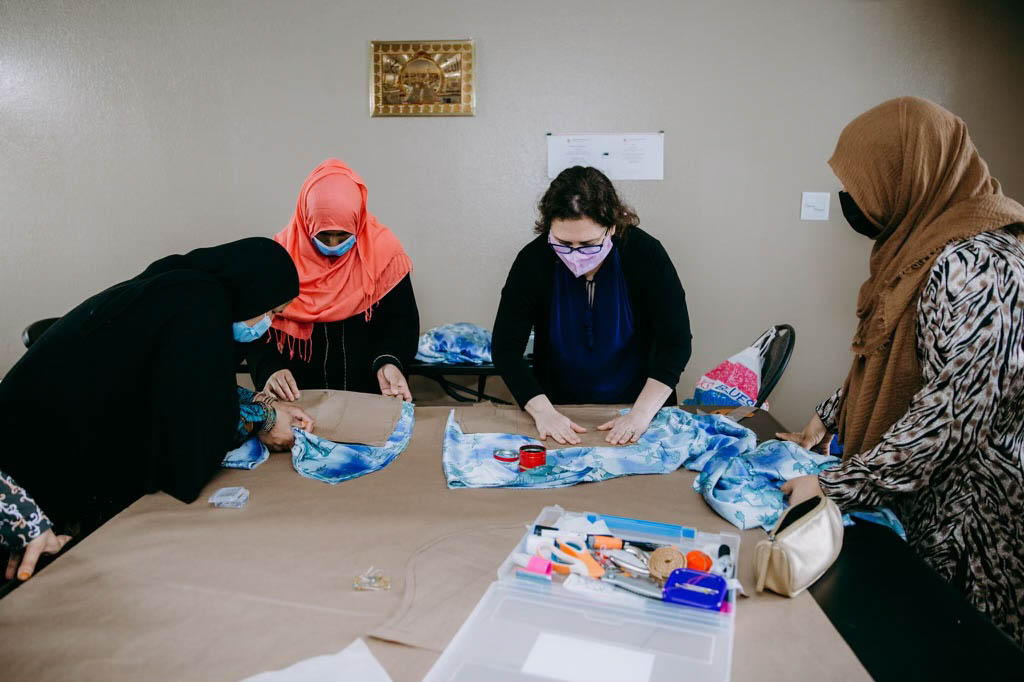
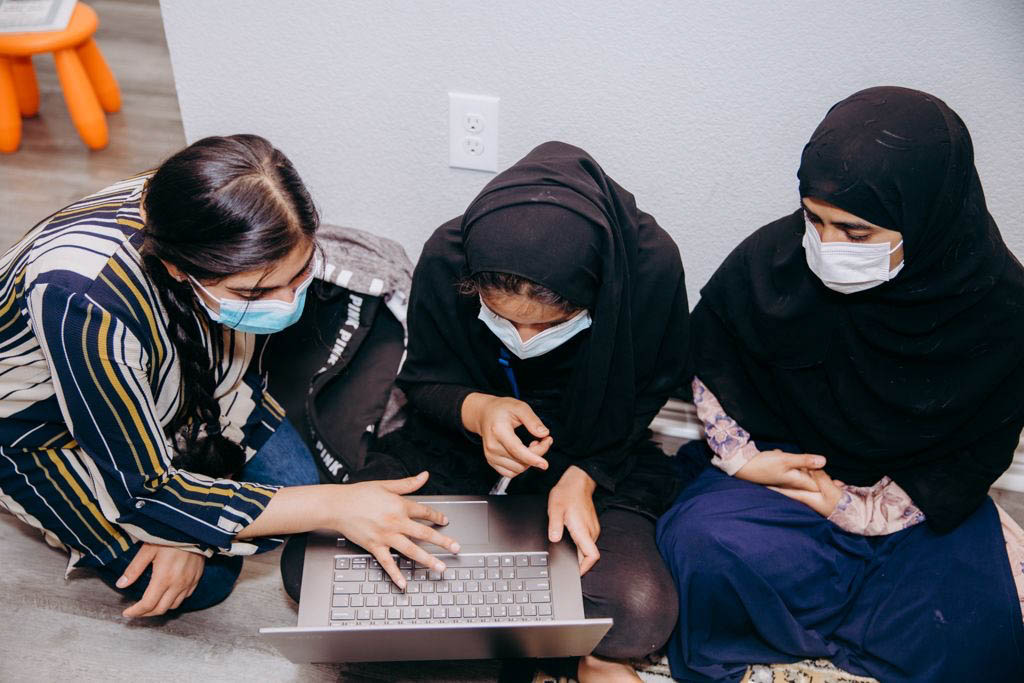
Beyond the main office, that mission becomes more tangible. A hallway off the central room leads to smaller spaces where women gather to cook, sew and learn English, turning their daily routines into pathways toward self-sufficiency.
“Even if they cannot go out, through Hope Boutique and Hope Kitchen, they are able to survive and have an income,” Khan says.
At Hope Kitchen, dishes like chicken biryani, kabuli rice and Afghani-style chicken spaghetti reflect the personal recipes of the women behind them. The program operates as a catering service, with individualized menus that allow each participant to showcase their recipes from home.
A similar model drives Hope Boutique, where women sew together garments, decorations and take custom orders, building small businesses from their homes.
Beyond income opportunities, the organization also focuses on mobility — both literal and long-term. Through community donations, volunteers have helped secure used cars for women enrolled in driving classes, expanding access to jobs, education and daily necessities.
“We’ve given out about 15 to 20 cars, so far,” Khan says. “We’ll take the cars to a mechanic to make sure that there are no problems with them before we give them to our women.”
The majority of their donations come from their online presence on social media. With more than 3,000 followers on Instagram, the program uses daily posts to connect with supporters and meet the needs of the women it serves.
“We’re all over Dallas, but Instagram is our main resource,” she says. “We put everything there — our stories, what’s happening, what we’ve achieved. When people see a woman’s story, why she’s here and why she needs a car, they understand how much it can help.”
And help they have received.
According to its first-quarter impact report, the organization helped 24 families avoid eviction, provided grocery assistance to more than 400 households, and supported five students who completed driving classes, with three currently enrolled.
Even as the organization expands its reach, external pressures have made the work more difficult.
Government shutdowns and shifting immigration policies have disrupted parts of the resettlement system, delaying services and limiting support for families arriving in North Texas.
“We’re talking about people who have already gone through the legal process,” Khan says. “It takes five or six years. (Families) were on their way, and when the flight bans happened, they were stuck. They couldn’t go back, and they couldn’t move forward.”
Khan explained that some Afghan refugees remain stranded in places like Qatar and Algeria, unable to complete their journeys unless they can secure additional funds or travel on their own. Others have been forced to rely on loans from family or friends in order to continue forward.
“We haven’t seen many (families) come through since then,” she says.
While some refugee populations, such as those from Ukraine, have received more structured government support, others continue to face significant gaps in assistance. Khan pointed to Syrians, Sudanese and Afghan families as among those still in need.
As a result, the organization has seen increased requests for urgent assistance from individuals seeking shelter, transportation or help navigating travel logistics when returning to their home country voluntarily.
“We try to make sure people are safe and supported through whatever next step they have to take,” she says.
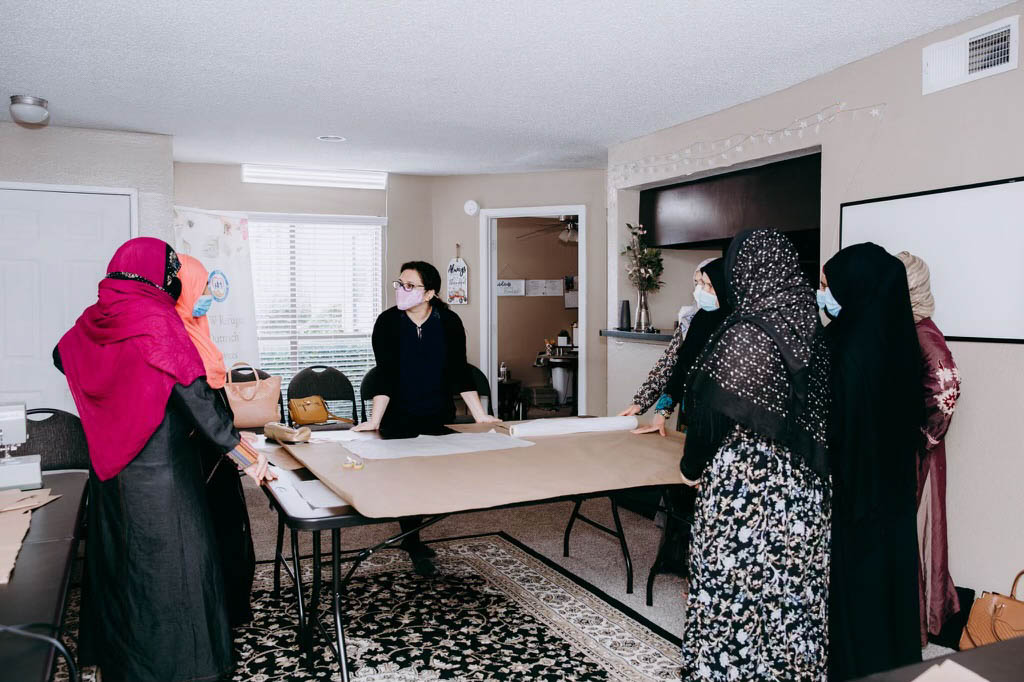
Back in the central room, the work continues without pause.
Refugees sit across from staff members, tracing the next steps of new lives in forms, conversations and translations. While their next steps remain uncertain, hope for a future in the United States continues to carry them forward.