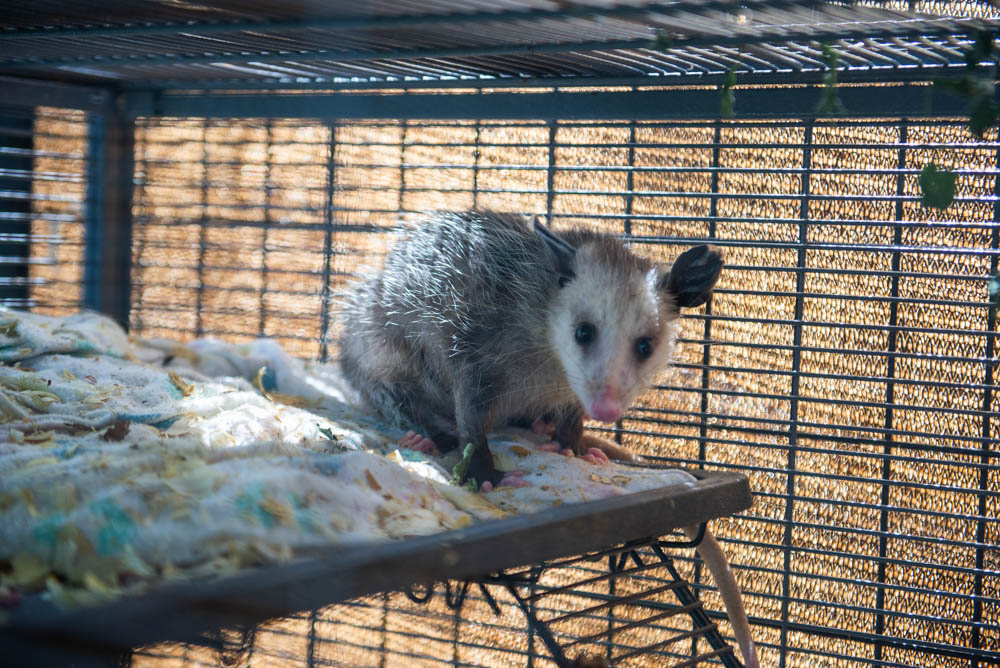
In a quaint residential neighborhood in Plano, there’s a house bustling with raccoons, opossums and owls.
Photography by Lauren Allen
Photography by Lauren Allen
Photography by Lauren Allen
Photography by Lauren Allen
Photography by Lauren Allen
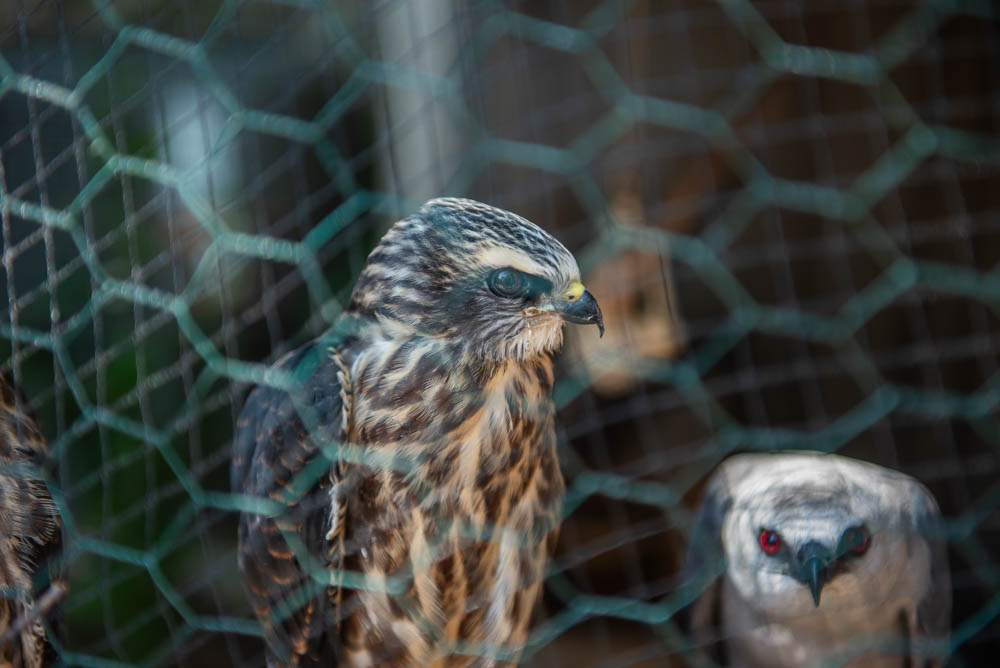
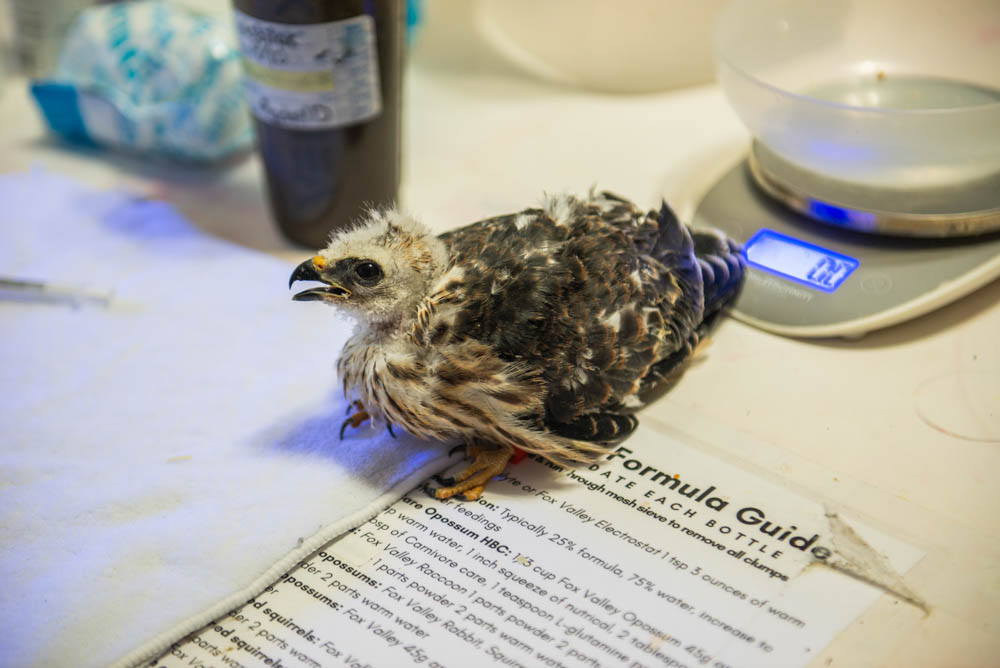
No, it’s not animal control’s worst nightmare. It’s the North Texas Wildlife Center’s permitted animal rehabilitation facility. Cages sit stacked on yet more cages tagged with custom care sheets, a myriad of aromas drift through the halls and a cacophony of noises from numerous species fill the space. A trip to the backyard reveals yet more enclosures and recovering animals.
Before June, this cramped assembly of box turtles, Mississippi Kites and gray squirrels hadn’t been a problem. Foot traffic increased significantly in 2025, with NTWC reporting 1,400 drop off visitors as of September, up from the 950 seen in 2024. On June 28, the center received a call from the City of Plano’s business department, giving NTWC 90 days to vacate the premises.
“It was the worst time of my life, like it still feels uncertain,” NTWC President and Lake Highlands neighbor Rebecca Hamlin says. “Worse, it’s not over.”
The issue, City staff said, was that the center, despite having all necessary permits, was generating excessive foot traffic in a residential area. Shortly after, Hamilin launched a fundraising campaign with a $250,000 goal.
NTWC was founded in 2013 by Mela Singleton and Jeniffer Coats. Hamlin came into the picture four years ago after finding an opossum in her neighborhood.
“The joke is that I brought an opossum here four years ago and never left. But it’s actually not a joke. It’s very, very true,” Hamlin, who works as a lab manager at the University of Texas at Dallas by day and lives off Royal Lane, says. “I found an opossum in my neighborhood, because I live on a green belt in Lake Highlands, and he was the first opossum that was in sanctuary. I very passively said, ‘I would love to rehab if you know anyone.’ And the founder was like, ‘Why are you not just telling me you want to work with me?’”
She took her up on the offer, eventually becoming president of the nonprofit organization in 2023. A year prior, NTWC moved from Singleton and Coats’ garages into the current facility.
The North Texas Wildlife Center provides free rehabilitation services for injured and orphaned wildlife across the region. Intake varies year over year, but Hamilin says they have assisted over 3,600 animals so far in 2025 and expects to reach 4,000 by December.
“A lot of animals come in, either primarily or secondarily because of human activity,” Hamlin says. “So that could mean the opossum crossing the street is hit by a car because we put a street in the middle of a nature preserve, or there’s a forested area here.”
When a person arrives with an animal at the facility, they are asked to fill out a Texas Department of Fish and Wildlife form and describe their discovery of the animal. After that, NTWC staff evaluate the animal to determine the level of necessary care.
Hamlin says that around 40-50% of the animals they see have been orphaned. In those cases, the center’s primary concern is to provide nutrition and a stable environment for them as they grow and gain weight.
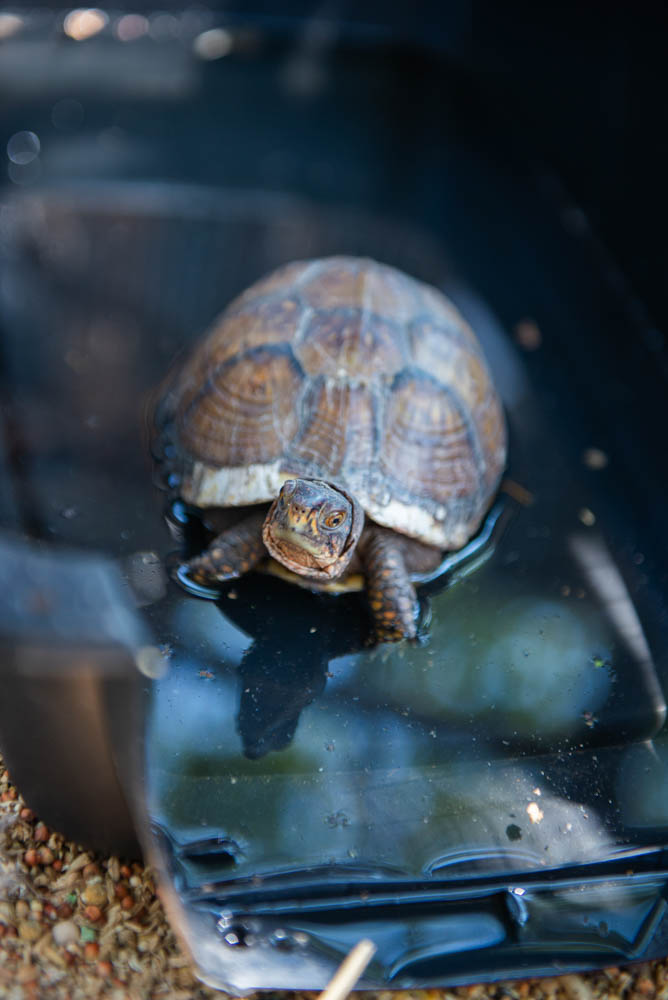
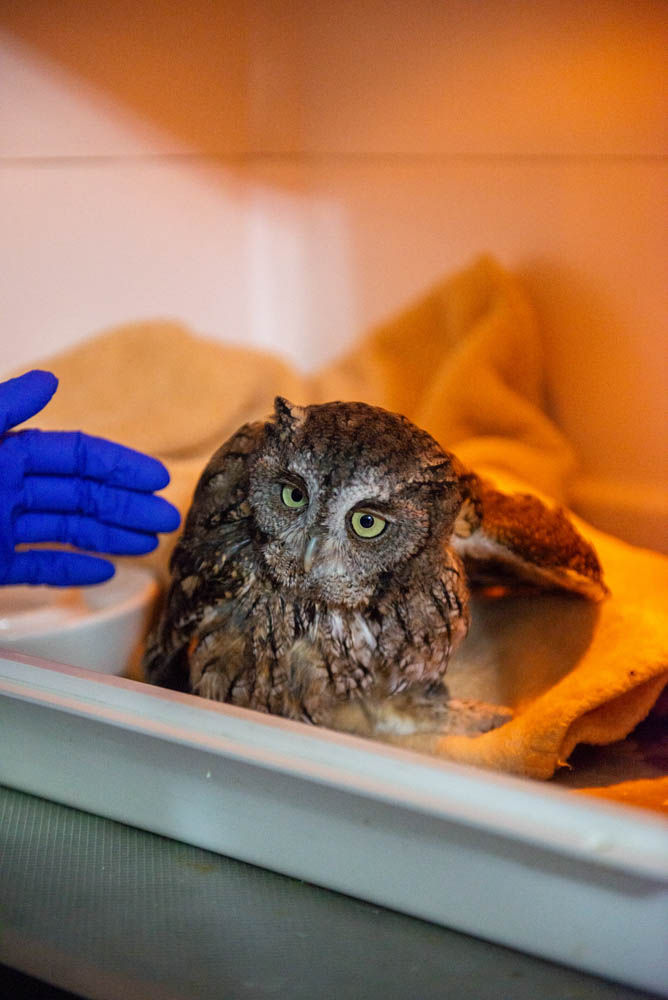
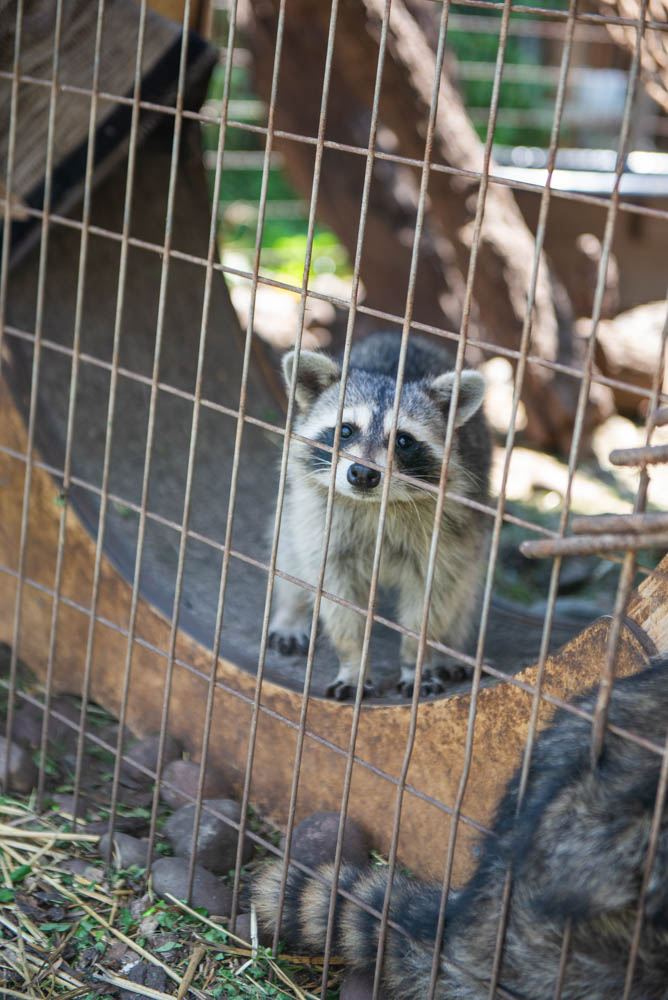
In other cases, NTWC staff first determine whether or not a veterinarian is needed to treat extensive injuries. Then, if none is needed, a custom care plan is created for the animal’s stay at the center. Hamlin says the average time spent at NTWC ranges from several days to a couple of months.
“We do have a significant amount of time to give them to heal if it’s an injury that they can heal from, but usually we can determine it pretty quickly if they can survive it. If it’s going to be something we can heal and if we have the capacity some of our long term heals will need to go to one of our satellite facilities so they’re not taking up a cage for our quick heals.”
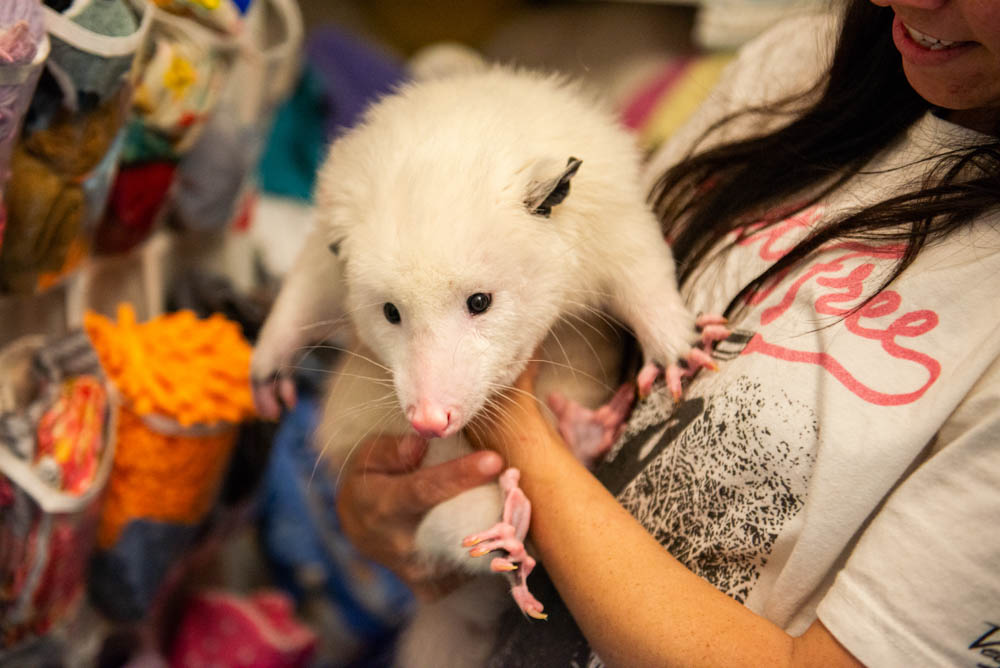
One of the center’s most notable animals up until a few months ago was its camera-friendly ambassador, Coconut, the White Opossum. The leucistic (white, but not lacking in pigmentation as in albinism) opossum had appeared on morning news programs and celebrated his second birthday at Vector Brewing in his time as ambassador. Tragically, he passed away over the spring from illness but has found a worthy successor in Turnip, a fellow white opossum.
Hamlin says one of the most difficult days for staff came after a torrential Memorial Day storm overburdened the center with close to 50 animals in two days. In those cases, she says, the organization is forced to close for intakes.
“I guess the storm was May 25,” she says. “The following day, we had 48 animals come in. A lot of them were critically injured, and we kind of all looked at each other like, this is a lot emotionally, and this is a lot physically because we were working in the mud, we’re working on our feet. So we waited about two days, and then we took a day off.”
One day that Hamlin certainly didn’t want to take off came in August when the organization met its fundraising goal for a new facility with more than a month to spare.
The center’s situation had spread far and wide on social media as Hamlin appeared on Fox 4 and fundraisers were held. Still, she didn’t expect to raise the funds in such a short amount of time.
“Like, the first day we raised $15,000, and it went from me being excited every time there was a donation, I would call or text someone and be like, ‘Someone just donated $500,’ and then it just kept going,” she says. “And I was like, ‘OK, I can’t keep calling everyone every time we get a donation.’”
The center is currently in the process of finalizing loan papers for a new, decidedly non-residential facility. Windows will need to be redone, enclosures rebuilt and privacy fences installed, which is why she plans to hold mini fundraisers to support individual projects.
NTWC’s future looks considerably more secure now than it did a couple of months ago. It’s a crucial turnaround for Hamlin, who has cystic fibrosis and counts on its mission as much as the animals themselves.
“My entire life, I never felt like I was gonna do something that was meaningful or impactful,” Hamlin says. “And then I started rehabbing wildlife. I found my purpose, I found my passion. And if I die at the age of 37, this is my legacy. This is what I leave behind, and I don’t take that lightly at all. It’s a really big deal. And not every person has the privilege and the luxury to live something that they’re really passionate about.”