The Network of Community Ministries operates in all 14 RISD ZIP codes, including 75238 and 75243

Photography by Lauren Allen
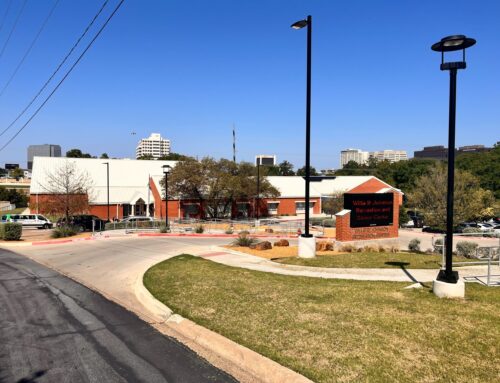
The Network of Community Ministries’ (NCM) facility may be located in North-Central Richardson, just north of Arapaho Road, but its impact is felt deep into Lake Highlands.
Founded in 1985 as a nonprofit collective effort of churches in the Richardson ISD attendance zone, The Network serves all 14 ZIP codes in RISD. In fact, 47.7% of neighbors served by NCM last year lived in Lake Highlands.
Programs include immediate needs assistance, food pantry outreach, stabilization programs and, most recently, mental health services. NCM’s 40,000-square-foot facility acts as a one-stop-shop for neighbors, as clients are referred to at The Network, looking to engage with its all-encompassing mission.
“We can really create a more holistic plan of action for the neighbors,” CEO and President Abbie Kauffman says. “At the time they get certified to receive services in our food and clothing closets, our basic needs areas, and if they choose to participate in our more comprehensive services, we’ll schedule some time or do a walk-in appointment with our stabilization coach.”
Kauffman stepped into the executive role in 2022. She credits her predecessor for creating “an incredibly stable organization” and describes her task as growing the organization into maturity. One of her first steps was to transition The Network’s client intake system from a pen and paper setup to an online interface.
The launch of The Network’s mental health services program in June of 2023 is something Kauffman is especially proud of. She says the organization looked at contracting with outside partners on the program, but ultimately decided it would be best offered as an in-house service. NCM created a Chief Strategy Officer position to oversee the program and The Network’s other long-term stabilization services, and shortly after, the organization hired two clinical therapists.
“You can’t be healthy unless your mental health is good, and
poverty, in and of itself, rewires the brain,” Kauffman says. “And so here are our first attempts at trying to tackle all of it in a systems, holistic approach. Both of them have almost completely full case loads with individual counseling neighbors, which is wonderful. People do exit the program, which is also great, you have some people who only need a short period of time. We’ve invested resources and training. So both of my therapist clinicians have now been trained in EMDR therapy.”
Photography by Lauren Allen
Aside from mental health services, The Network’s long-term outreach is anchored by the Pampillonia Stabilization Program. Stabilization at the organization means case management, life coaching, financial education, job training, interview practice and referral programs. Clients preparing for an interview are also given access to the organization’s clothing closet. Kauffman says these initiatives are emblematic of NCM’s holistic approach to sustainably break the cycle of poverty.
The Senior Net is also a large part of long-term outreach. Most neighbors must provide proof of income at 185% or below the federal poverty line — seniors over the age of 55 do not. Services available for older neighbors include free handyman visits, grocery delivery and companion calls, which provide neighbors with a sorely needed connection, especially following COVID-19.
“We definitely found during the pandemic that the isolation in the senior community was far beyond what we had initially realized, and we’ve leaned into that area very heavily,” she says.
The Network’s outreach to its community extends to community events. Trunk-or-treats, senior days and Supper with Santa around the Christmas season are all important parts of the organization’s calendar, Kauffman says.
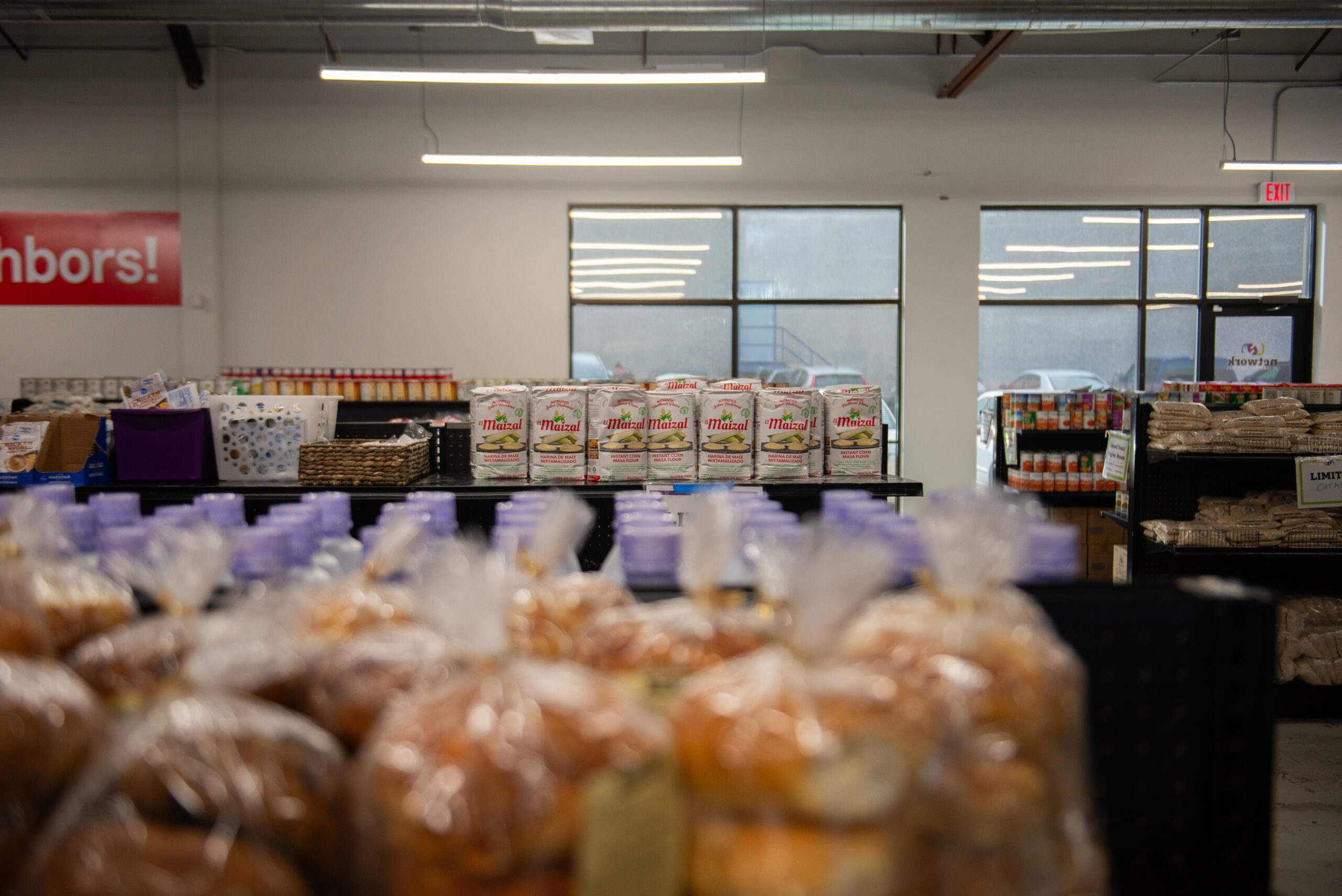
Supported by the North Texas Food Bank, The Community Food Market looks like a small Aldi with neatly stocked shelves, full freezers and checkout lines where clients can use their “community money.” It’s an important area for The Network, which distributed 3.6 million pounds of food in 2023, representing the most substantial portion of its outreach. Choice is at the core of the market program.
“The human experience is such that we want to feel dignified in choice,” Kauffman says. “And so for some people who are coming, they’re stuck in cyclical poverty, and this is the first time that they’ve had a choice in a while. A choice of green beans or corn is really simple in just creating empowerment in ourselves and feeling seen and respected as a person.”
Food pantry outreach also finds its way to RISD schools. The district is one of The Network’s 60 stakeholder partners, and the organization’s mobile food pantry regularly makes its way to Lake Highlands Learning Community campuses like Forest Lane Academy and Audelia Creek Elementary.
When it was founded in the mid-80s, RISD-area churches had bonded together to enhance their individual offerings with a more comprehensive approach. This heritage is still evident with stakeholder partners like Lake Highlands United Methodist Church and Forest Meadow Baptist, although new partners include rotary and women’s clubs.
Kauffman says The Network will continue to strengthen and diversify its programs as need grows and won’t rule out a more concrete presence in our neighborhood.
“We continue to try and lean into place based initiatives, and, being in Lake Highlands, physically present more when we reach capacity at this facility. Where do we go? We’re not leaving here. But is there a second Network campus in our future? TBD. My board would kill me if I say yes. But unfortunately, the need continues to grow, and therefore so does the need for our services.”